Wednesday, December 31, 2025

Malachi
Malachi 2:1-9 — When Prophets Confront Priests
Malachi 2:10-16 – “Faithlessness” Subverts “Oneness”
Malachi 3:6-12 — “I am Yahweh! Trust Me”
Malachi 4:1-6 — A Day is Coming
Is it Futile to Serve God?: God Loves His People
Malachi 1:1-5
November 10, 2024 = A sermon by Preaching Minister Randy Johns on Malachi (1:1-5)
This is part 1 of a 6-part series.
Is it Futile to Serve God?: Worship That Dishonors God
Malachi 1:6-2:9
November 17, 2024 = A sermon by Preaching Minister Randy Johns on Malachi (1:6-2:9)
This is part 2 of a 6-part series.
Is it Futile to Serve God?: An Oracle About Marriage
Malachi 2:10-16
November 24, 2024 = A sermon by Preaching Minister Randy Johns on Malachi (2:10-16)
This is part 3 of a 6-part series.
Is it Futile to Serve God?: The God of Justice
Malachi 2:17-3:5
https://youtu.be/xmK1v_6gYGE
December 1, 2024 = A sermon by Preaching Minister Randy Johns on Malachi (2:17-3:5)
This is part 4 of a 6-part series.
=====
Is it Futile to Serve God?: Robbing God
Malachi 3:6-12
December 8, 2024 = A sermon by Preaching Minister Randy Johns on Malachi (3:6-12)
This is part 5 of a 6-part series.
Is it Futile to Serve God?
Malachi 3:13-4:6
December 15, 2024 = A sermon by Preaching Minister Randy Johns on Malachi (3:13-4:6)
This is part 6 of a 6-part series.
Nehemiah Introduction
Nehemiah Introduction
God wants to live with us. We see this truth in Ezra and Nehemiah. Ezra and Nehemiah are two books that tell one story—the story of Israel coming home. Israel had been exiled from their land and removed from God's presence in the temple because of their sins. But in Ezra and Nehemiah, God is bringing a remnant back. Ultimately, though, God's presence does not return to the temple the way Israel thought he would. Instead, the books end on a low note of failure and more exile. But the good news is that Jesus has done what Ezra and Nehemiah couldn't. He brings us back home to God and makes a way for us to live in his presence.
Introductions
TOTC (83) –
More than half this book is a personal record, punctuated with
‘asides’ and frank comments which make it (in such parts)
one of the liveliest pieces of writing in the Bible. Much of Ezra’s
story was also told in the first person (Ezra 8:15-9:15), but Ezra
was a quieter personality than the formidable, practical Nehemiah; he
does not leap out of the page as this man does.
The main action is
crowded into the spring and summer of the year 445 BC, in which time
Nehemiah not only made the journey from near the Persian Gulf to
Jerusalem, but restored the city’s walls and gates, and began
to see to its defense. All this he recounts himself.
IBCTP (63-64)
– Theologically speaking, it is important to realize that the
bulk of the passage records Nehemiah’s second response to the
devastating news from Jerusalem. Following a period of grief (1:4,
cf. Ezra 9:3-5), his initial response, Nehemiah demonstrates his
faith by turning to the fount of his resources in prayer. While the
form of the prayer itself is unparalleled in scripture – it
lacks, for instance, the complaint so characteristic of the community
laments with which it is sometimes compared … – it falls
easily into a simple structure:
A –
Invocation (5-6a)
B –
Confession: Israel’s sin (6b-7)
X – Appeal
to covenantal promise of return (8-9)
B’ –
Confession: God’s redemption (10)
A’ –
Invocation with supplication (11a)
The
prayer begins and ends with an invocation similar to that found in
Solomon’s prayer at the dedication of the temple (1 Kings 8:29,
52; II Chron. 6:40), “let your ear be attentive … to
hear the prayer of your servant” (6a, 11a). Two confessions,
one negative, regarding Israel’s sin (B) and one positive,
regarding God’s redemption (B’), frame the heart of the
prayer (X). This centerpiece consists of Nehemiah’s appeal to
God to remember the covenantal promise of return on the basis of
Deuteronomy 30:1-5. The strengthened particle of entreaty with the
vocative, “O Lord” (5, 11a), provide an inclusion for the
entire prayer.
Nehemiah 1:1-11
Prayer
Nehemiah
1:1-11a
Prayer (1:1-11a)
Text
Notes, Applications,
and Questions
Main Idea
Nehemiah prayed after receiving bad news about Jerusalem and the Temple. What can we learn and apply to our lives from this example of effective prayer?
Prayer (1:1-11a)
Nehemiah (1) – The name Nehemiah means, “the
Lord has comforted.” The same root occurs in the name of
Nahum the prophet and in the famous phrase from Isaiah 40:1,
“Comfort, comfort my people.” (CP, 136)
Twentieth year (1) – The custom of the time was to date
all events from the beginning of the rule of the present king; each
king’s rule would begin with the year one. Comparing this with
Ezra 7: 1,8, and assuming that the Artaxerxes is the same person in
each case, we can determine that the events of the book of Nehemiah
begin thirteen years after Ezra’s start for Jerusalem, or
twelve years after the conclusion of Ezra’s book, i.e., 445
B.C. (SBC)
-
It seems peculiar that the name of the king is not mentioned here. It may have appeared in the sources the editor was using, but for the sake of brevity and because this section follows immediately after that in Ezra in which Artaxerxes had been identified as the ruler in his seventh year (7:8), he chose not to name him here. Artaxerxes I was clearly the king under whom Nehemiah served. His twentieth year was 445 B.C. (CP, 137)
Citadel of Susa (1) – Susa was the city in Elam, 200
miles east of Babylon, where the Persian kings maintained a
residence, and from which they ruled their kingdom for a part of each
year. (SBC)
-
Nehemiah apparently knew nothing about how things were back in Judah. Susa was one of the most important capitals of the Persian Empire; it lies to the west of Persia proper, and thus not so far from Babylon. The obvious way to read this story is to assume that the king is still Artaxerxes I, and that the year is the twentieth of his reign (445). The date is thus a century after the time when Cyrus first encouraged Judahites to move from Babylon to rebuild the temple, and half-way through the life-time of the Persian Empire, which Alexander brought to an end in the 330s. Thirteen years have passed since Ezra’s mission, but it has been maintained that one or both actually belong later, in the reign of Artaxerxes II. (OTE, 80)
Hanani (2) – [He] was probably Nehemiah’s own
brother: cf. 7:2. From the emphasis which is made in the
sentence, it would appear that the visitors from Judah had not
searched Nehemiah out with a grievance, but that Nehemiah had
initiated the inquiry concerning his fellow-Jews who had “escaped,”
i.e. returned to their homeland, and concerning affairs at Jerusalem.
(SBC)
I questioned them (2) – Something of Nehemiah’s
character already begins to appear here with his concern for the
condition of others of “the household of faith.” (CP,
138)
Remnant … survived (2) – Nehemiah’s choice
of words, echoed by his brother, may have been a conscious allusion
to the promise of a ‘remnant’ and ‘survivors’,
who would not merely escape destruction but ‘lean upon the Lord
… in truth’ (Isa. 10:20-22). (TOTC, 85)
-
The description of the community as “the group of survivors that was left from the exile” could recognize that it included both people who had returned from exile in Babylon but had survived the exile in Judah itself and identified with the community headed up by people who had moved from Babylon over the previous century. But the expression indicates that the community was still in a weak and reduced state. It is only a group of survivors. The point is underscored by the further description of it as in great trouble and disgrace. (OTE, 81)
Trouble and disgrace (3) – Their report in verse 3
indicates both physical and mental distress, arising out of the
condition of the city’s walls and gates. The breaking down of
the wall (chiefly of stone) and the burning of the gate (chiefly of
timbers) had been done by Nebuchadnezzar, 141 years earlier. Some
suppose that this is a reference to more recent events of which
Nehemiah would not have been aware before this, and that therefore,
the walls and gates had been partially restored after the Captivity.
The Bible makes no mention of previous reconstruction of the walls,
except in the false report of Israel’s enemies in Ezra 4:12.
If there had been any repairs, they surely could not have been very
extensive. (SBC)
Wall of Jerusalem (3) – Without walls the city would
have no defense against vandalism or military action, except what
they could supply with watchful human bodies. They would be
especially vulnerable to the Samaritans, their nearest, neighbors.
(SBC)
-
The reply would be badly misunderstood if we just took it to speak of the ruins left by Nebuchadrezzar. That was ancient history (587 BC), but this was news and a shattering blow. Its most likely background is the sequence in Ezra 4:7-23, in which a bid to rebuild the walls had been reported to king Artaxerxes and promptly crushed ‘by force and power’. It was an ominous development, for the ring of hostile neighbors round Jerusalem could now claim royal backing. The patronage which Ezra had enjoyed (cf. Ezra 7:21-26) was suddenly in ruins, as completely as the city walls and gates. Jerusalem was not only disarmed but on its own. (TOTC, 85; cf. CP, 139)
-
A city has walls and gates for its protection; even Susa is a fortress city. In the twenty-first century, Jerusalem’s impressive walls and gates are simply an impressive tourist attraction, but in the fifth century they would potentially be a matter of life and death. And they are broken down and burned. While it is possible that Hanani is simply reporting that the city is still in the state it has been since its destruction by the Babylonians, the devastating effect of the news on Nehemiah rather suggest that some other disaster has happened more recently and that this is when news of it reached Susa; Hanani is referring not merely to the long-lasting trouble and disgrace. We have no other record of such an event, but it would fit with the account of troubled relations in the region, and it wouldn’t be surprising if the Judahites were better at building a temple and sorting out inter-marriage problems than at fighting off a siege. (OTE, 81)
Prayed (4) – This prayer by Nehemiah is as noble as that
of Ezra (9:6-15), though Ezra was a religious official and Nehemiah
was a secular ruler. This speaks well of Nehemiah’s habits of
spirituality and fellowship with God: his practice of the ceremonies
of religion. (SBC)
-
He prays as someone who is himself committed to what he prays about and he prays urgently to get God to take action that only God can take; further he recognizes the failure of the people on whose behalf he prays. His reaction to the news from Jerusalem reminds us of Ezra’s reaction to the news about the marriages, though it is expressed in different terms. Nehemiah sits (in shock like Ezra?) and weeps mourns like a person grieving over someone’s death. (OTE, 82-83)
-
Nehemiah’s response to the report reflects his spiritual sensitivity and compassion. (CP, 139)
-
One of the most striking characteristics of Nehemiah was his recourse to prayer (cf. 4:4,9; 5:19; 6:9,14; 13:14). Those who are the boldest for God have the greatest need to be in prayer. (LCS, 72)
Lord, the God of heaven (5) – The prayer begins in
verse 5 with praise to God for His (1) greatness and (2)
character of loving kindness. So Jesus began His model prayer with
praise: a good model for us today. (SBC)
-
Nehemiah’s prayer begins with two forms of confession… First there is confession of who God is; that is a common feature of prayer in the Bible. It is the foundation for all that follows. We pray because God is the God who has invited us to call him by name, the name Yahweh, but the God who is not merely someone in a personal relationship with us but is the all-powerful Lord (the God of the heavens). To put the same two points the other way around, this God is great and awe-inspiring, yet also one who keeps covenant and commitment, one who can be relied on to be faithful to words and undertakings. … Nehemiah knows he needs to recognize that you can only appeal to these qualities if you are people who dedicate themselves to God (the verb is the one conventionally translated “love,” but it signifies a self-giving loyalty, not merely an emotion) and who keeps God’s commands. … It is possible that God may keep a covenant and commitment even though the other party in the relationship does not do so. But we would be unwise to presume this, like a husband who is unfaithful to his wife who assumes that everything will be okay if he expresses regret. (OTE, 83)
-
The opening verses of invocation are important for their emphasis upon the power of God, especially as Nehemiah here uses the title “God of heaven,” which became increasingly more common in postexilic piety (e.g. Jonah 1:9; Dan. 2:37-44). A clue to the interpretation of the entire prayer is also hinted at in the invocation. Whereas the delegation from Jerusalem contented itself with the reporting of the city’s reproach in the eyes of jealous neighbors, Nehemiah discerns the true source of the problem: Israel’s failure with regard to the covenant. His invocation of the God “who keeps covenant and steadfast love” (1:5) displays a keen insight into the reason for Jerusalem’s reproach as well as the relationship of God to the sorry condition of the city. (IBCTP, 64)
Covenant of love (5) – The covenant does not set up a
business transaction between two parties. In its essence, the
covenant establishes a relationship. More importantly, the covenant
does not dispense with the need for mercy, indeed the covenant itself
grows out of God’s mercy, grace, and steadfast love. Covenant
and mercy go hand in hand, and our need of mercy is in no way
obviated by a contractual arrangement. Nehemiah’s confession is
an appeal to God’s mercy. (IBCTP, 65)
-
The relationship between God and His people, the Jews. The whole history of Israel was the history of the covenant. It was not an agreement between equals but the gracious gift of a Sovereign to His subjects. Its main content was God’s promises to multiply Israel, to give the people the land of Canaan, to protect them, and to make them an example to the nations of God’s goodness. In return, the Jews were to fear, love, serve, and obey God alone. (LCS, 72)
Those who love him (5) – [Love] is the attitude expected
of covenanting parties toward one another. On God’s side, it
meant unfailing loyalty: constant provision of needs, protection from
danger, and restoration of the nation once the people had repented
from disobedience. It included forgiveness and mercy, for its essence
was God’s bending to love His creatures, even the unrepentant.
The people’s response was to be “covenant love”
toward God and each other. (LCS, 72-73)
Your ear… your eyes (6) – Nehemiah’s
request that God will heed his prayer reminds us of Solomon’s
petition (1 Kgs 8:52). God is not human with ears and eyes, but we
have no other means of addressing him but with human language. Prayer
can degenerate into vain repetitions, but Nehemiah’s consistent
and persistent prayers have poured forth from a burdened heart. In
the parable of the persistent widow, Jesus taught that persevering
prayer is effective (Matt. 18:1-8). (CP, 141)
Your servant (6) – The mention of “thy servant’’
and “thy servants” was the formula of polite address.
(SBC)
-
Nehemiah goes on to appeal to the fact that he is God’s servant. He has applied the term “God’s servants” to his people, the people who failed and did damage, but evidently that was a kind of honorary description. They had not been behaving like servants. But when he calls himself God’s servant, he means he really is committed to his master. The point is made explicit by his going on to refer to servants who revere God’s name – in other words, people who know who God is and who behave accordingly. Revering God implies doing what God says. … Nehemiah want God to note the commitment of servants like himself and Hanani, and even to take more account of the latter than the former. On their behalf he is prepared to say, “I am willing to do whatever you ask to make up for the offense we caused you – tell me what it is.” He thereby puts himself in the position of being the unconditional servant of the master. (OTE, 85)
I confess (6) – The remembrance of God’s covenant,
in verse 5, has raised the matter of the partner’s response (to
‘love him and keep his commandments’, 5c). This
inevitably leads to heart-searching and confession, in which
Nehemiah, faced with such a standard, owns to personal (6c) as well
as corporate guilt. He will have to come empty-handed with his
request. (TOTC, 85)
-
This insight [(Israel’s failure with the covenant)] moves Nehemiah to confess the sin of his people. In the tradition of past mediators (Moses, Exod. 34:9; Isaiah, Isa. 6:5; Ezra, Ezra 9; cf. Daniel, Dan. 9:3-19), Nehemiah confesses his own involvement in the sin of the people, thus identifying with their condition and situation (1:6). The exile proved to be an effective if harsh lesson for the people of God. Jeremiah’s understanding of the captivity as a manifestation of God’s chastisement was met with beatings and imprisonment (Jeremiah 18-20), but now the exiles were fully convinced of the truth of his warnings. (IBCTP, 64)
-
Nehemiah … simply acknowledges there guilt. This aspect of the confession is quite different from Ezra’s earlier confession (Ezra 9:6-15). There, though Ezra begins with an acknowledgement of the people’s sin as the reason for the exile (v. 7), he quickly moves to the confession of a specific sin that he did not share, that of intermarriage. Nehemiah seems to be more concerned with the sinful condition of his people that with the symptomatic outcroppings. This sinful condition he confesses simply and succinctly as sins “against you.” (IBCTP, 64-65)
Including myself (6) – As he knows he has to identify
with his people’s waywardness in order to make confession of
it, he know that the present generation of his people has to identify
with their forebears’ waywardness and make confession of it.
There is no pretending that the sins of one generation are not
visited on the next generation. (OTE, 84)
Acted very wickedly (7) – [In the commentary author’s
translation he uses “damage.”] This word [damage] is also
repeated [in the original language] to underscore the point –
more literally, “with damage we acted damagingly.” It is
the word used in Ezra to refer to damaging the temple. It is as if
people were seeking to damage God or damage God’s interests
when they failed to do what God said, as if they were seeking to
attack God. Yet Nehemiah also knows that the same Torah that warned
of the consequences of willful failure also promised that
chastisement need not be the end. (OTE, 84)
Remember the instruction … (8-10) – He is
empty-handed, but not uninvited. He knows the threats and promises of
Scripture well enough to make a strong, not tentative plea. …
Most significantly inverse 10 he quotes the words which Moses had
pleaded for Israel on mount Sinai (Deut. 9:29), that God would stand
by his own (thy servants and thy people) and by the work he
had so strenuously begun. At that point Israel had been threatened
with extinction; now, it seems, Nehemiah sees the situation as hardly
less perilous. Like Moses, he must stand in the breach with his
intercession. (TOTC, 86)
-
The heart of the prayer is also its turning point (vv. 8-9). Nehemiah reminds God that the lesson has been learned; the exiles have been scattered among the peoples for their unfaithfulness. This is to be seen as a testimony to God’s power and control of history. Israel is in God’s hands, not subject to the capricious machinations of human despots. Therefore, God’s judgment upon Israel’s sin, related in the summary of Deuteronomy 30:1-5 in Nehemiah 1:8, has been carried out. But as the positive confession of verse 10 intimates (“your servants”) and verse 11a declares (“your servants who delight in revering your name”), the signs of repentance are present as well, and so Nehemiah appeals to God to remember the promise of return also contained in Deuteronomy 30:1-5 (1:9). (IBCTP, 65)
If you are unfaithful … (8-9) – Nehemiah’s
prayer at this point is … a composite of several Scriptures:
1)
If you are unfaithful I will scatter you: Lev. 26:33.
2)
But if you return to me: Dt. 30:2f.
3)
I will gather them from there and will bring them: Dt. 30:4;
4)
to the place where I have chosen to cause my name to dwell: Dt. 12:5.
(SBC)
-
It is best to see the prayer to this point as a summary of Nehemiah’s struggles with God over the four-month gap between his conversation with the delegation from Jerusalem and his audience with Artaxerxes. (IBCTP, 65)
Dwelling for my Name (9) – This expression implies the
Divine Presence dwelling with the restored community. It is precisely
that, according to Nehemiah, which the currently prevailing
conditions show lie in the future. In Ezekiel’s vision, the
glory of the Lord departed from the Jerusalem temple (11:22-24) and
the Sovereign Lord promised, “Although I sent them far away
among the nations and scattered them among the countries, yet for a
little while I have been a sanctuary for them in the countries where
they have gone” (11:16). This suggests that the divine glory is
present among the exiles in Babylon. The unanswered question is, “Did
the divine glory return to the rebuilt Jerusalem temple?” (CP,
142)
This man (11) – The expression this man does not
belittle the king. It does recognize that the monarch was a human
being with whom Nehemiah had to deal. Only God could establish the
environment in which Nehemiah could find favor before the king. (CP,
143)
Cupbearer (11) – The duty of a cupbearer went far beyond
that of serving the king’s drink or food. He would be the
taster who would assure that the food was safe and that no poison had
been added by his enemies; he risked his life on the king’s
popularity or unpopularity at every meal, to protect the royal
household. At the same time, he must be the most trusted person in
the whole empire. If he added poison when the food had been brought
to him, it would be beyond the last defense short of the king’s
palate. In addition, he had access to the entire palace, including
the king’s harem; no one else in the kingdom, outside the royal
family, would be trusted farther than this. His position was next to
that of the crown prince himself.
It is a credit to Nehemiah that, having attained this highest
position open to him in the most powerful kingdom of his day, he was
willing, like Moses, out of compassion for his brethren to make
himself one of them for a sufficient length of time to improve their
condition as far as he was able. (SBC)
-
The cupbearer (the same word as the ‘butler’ of the Joseph story, Gen. 402ff.) was a high official in the royal household, whose basic duty of choosing and tasting the wine to demonstrate that it was not poisoned, and of presenting it to the king, gave him frequent access to the king’s presence and made him potentially a man of influence. (TOTC, 86)
Prayer and Action –
Nehemiah 1 is a blend of prayer and action. All who lead must place a
high priority on prayer. Why is prayer so important? Here are the
four shortest reasons I know.
Prayer makes me wait. I
cannot pray and act at the same time. I have to wait to act until I
finish praying. Prayer forces me to leave the situation with God; it
makes me wait.
Prayer clears my vision. Southern California often has an
overhanging weather problem in the mornings because of its coastal
location until the sun “burns through” the morning fog.
Prayer does that. When you first face a situation, is it foggy?
Prayer will “burn through.” Your vision will clear so you
can see through God’s eyes.
Prayer quiets my heart. I cannot worry and pray at the same
time. I am doing one or the other. Prayer makes me quiet. It replaces
anxiety with a calm spirit. Knees don’t knock when we kneel on
them!
Prayer activates my faith. After praying I am more prone to
trust God. And how petty and negative and critical I am when I don’t
pray! Prayer sets faith on fire.
Don’t just fill the margins of your Bible with words and
thoughts about ways a leader prays. Do it! Don’t just stop with
just a sterile theology of prayer. Pray! Prayer was the first major
step Nehemiah took in his journey to effective leadership.
The Lord is the Specialist we need for those uncrossable and
impossible experiences. He delights in accomplishing what we cannot
pull off. But He awaits our cry. He listens for our request. Nehemiah
was quick to call for help. His favorite position when faced with
problems was the kneeling position. (LL, 64, quoting Charles Swindoll
from Hand Me Another Brick)
Additional
Questions:1
-
What were the conditions in Jerusalem at this time? How does this correspond to what we learned in Ezra?
-
In 1:4, what can we learn about Nehemiah (his character, values, and so on) from his reaction to this news?
-
What elements in Nehemiah’s prayer might you find useful as a model for your own prayer life?
-
Why do you think Nehemiah made this confession of sin in verses 6 and 7?
-
What does Nehemiah’s prayer reveal to you about his faith?
-
Why do you think Nehemiah asked God to remember His promises (see 1:8-10)?
-
Think about the lessons from Nehemiah’s life that can be found in chapter 1. What kinds of insights and principles can you discover that apply to believers today?
-
Think of a person whom you consider to be a prayer warrior. How has that person’s life been an example to you?
-
What was Nehemiah’s response when faced with a seemingly hopeless predicament?
-
What does Nehemiah’s prayer reveal about his view of himself and of God?
-
How do you think prayer prepared Nehemiah to lead his people?
-
If God knows all of our fears, desires, and needs, why does he want us to pray about them?
-
In what ways can prayer change a person’s attitude towards life’s difficulties?
Zechariah 8-14
Zechariah 14:16-21 – Everything is “Holy to the Lord”
http://johnmarkhicks.com/2012/05/18/zechariah-1416-21-everything-is-holy-to-the-lord/
http://johnmarkhicks.com/2012/05/18/zechariah-1416-21-everything-is-holy-to-the-lord/
Discovery Bible Study Resources
Discovery Bible Study Resources
Links for Deeper Study that Will Transform Lives.
- A place to begin with the app
- Discovery Bible Study Guide
- Groups at the Edmond Church of Christ
- Final Command
- What is Discovery Bible Study
- Guide to How to Lead a Study
- A Simple Process
- More Detailed Examples
- Some Resources
- Discovery Bible Study Method
- What is a Discovery Bible Study?
- Search for other resources
Monday, December 29, 2025
December 26 = Esther 6-10
Esther
Esther 6
- The King Honors Mordecai
- Esther Reveals Haman's Plot
Esther 7
- Esther Reveals Haman's Plot
- Haman Is Hanged
Esther 8
- Esther Saves the Jews
Esther 9
- The Jews Destroy Their Enemies
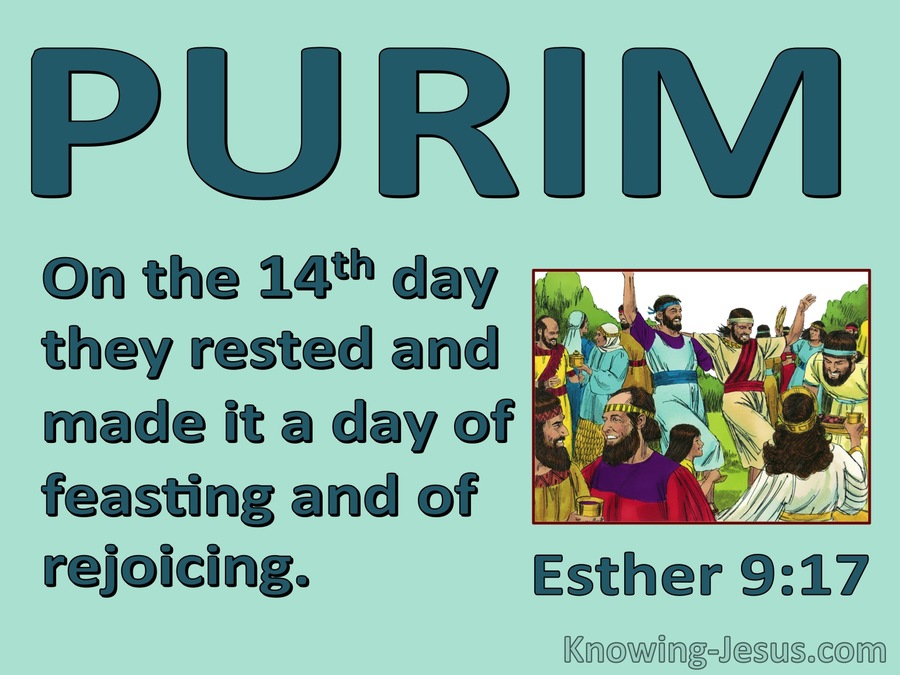
- The Feast of Purim Inaugurated
Esther 10
- The Greatness of Mordecai

Sunday, December 28, 2025
Joel Introduction
Joel Introduction
https://youtu.be/Hag-esKhP_U
Joel prophesies about a coming day of the Lord — a day of both justice and mercy. On that day, there will be justice against those who have made themselves God's enemies and mercy for all those who lament and repent of their sins. Joel also prophesies that God's mercy includes a promise to pour out his Holy Spirit on all people. The good news of the book of Joel is that everyone who calls out to God will be saved.https://www.spokengospel.com/books/joel
Hosea Introduction
Hosea Introduction
https://www.spokengospel.com/books/hosea
HOSEA 1
https://youtu.be/qRcdYxquyRc
Ezra Introduction
Ezra Introduction
Lamentations
Lamentations
https://youtu.be/ZjG3ys9DLcI
Today is Good Friday, the day we remember and lament Jesus' death. We call it "good" because Jesus' death isn't only a time for grief, but hope too. In his death, our sins die and eternal mercy is secured.
As a way to engage with this somber day, watch our new video on the book of Lamentations.
Lamentations is like a eulogy. But instead of mourning a loved one's passing, this book laments over the death of Israel and her temple. The mourners admit they are responsible for Israel's demise and grieve the possibility that they have been utterly rejected by God.
But in the middle of their grief, there is a message of hope–God's mercies are new every morning!
Ezekiel
Ezekiel
https://youtu.be/EfIJsnuzHCk
Watch our Introduction video on the book of Ezekiel, which outlines the book's main theme and how it is fulfilled in Jesus.
The book of Ezekiel wrestles with the exile of God's people into Assyria and the departure of God's presence from the temple. Eventually, the temple will be destroyed, and it's Ezekiel's job to explain why.
While the people of Israel were quick to assume God abandoned his people and that their enemies overpowered him, they're wrong. Ezekiel says both Israel's exile and the temple's destruction were God's doing. God was punishing Israel for their sins. But Ezekiel also prophecies about a future hope where God would return Israel to her land, give her a new heart, and live with her forever.
The good news is that the hope that Ezekiel prophesied has come true in Jesus!
Friday, December 26, 2025
December 23 = Esther 1-5
Esther

Esther 1
- The King's Banquets
- Queen Vashti's Refusal
Esther 2
- Esther Chosen Queen
- Mordecai Discovers a Plot
Esther 3
- Haman Plots Against the Jews
Esther 4
- Esther Agrees to Help the Jews
Esther 5
- Esther Prepares a Banquet
- Haman Plans to Hang Mordecai
Esther Introduction
Esther Introduction
Tuesday, December 16, 2025
Daniel 4-6
Daniel 4
Nebuchadnezzar Praises God
Nebuchadnezzar's Second Dream
Daniel Interprets the Second Dream
Nebuchadnezzar's Humiliation
Nebuchadnezzar Restored
Daniel 5
The Handwriting on the Wall
Daniel Interprets the Handwriting
Daniel 6
Daniel and the Lions' Den
Monday, December 15, 2025
Daniel 1-3
Daniel 1
Daniel Taken to Babylon
Daniel's Faithfulness
Daniel 2
Nebuchadnezzar's Dream
God Reveals Nebuchadnezzar's Dream
Daniel Interprets the Dream
Daniel Is Promoted
Daniel 3
Nebuchadnezzar's Golden Image
The Fiery Furnace
Friday, December 5, 2025

Thursday, December 4, 2025
Monday, November 17, 2025
Tuesday, November 11, 2025

Friday, November 7, 2025
2 Kings 24-25, 2 Chronicles 36
2 Kings 24
Jehoiakim Reigns in Judah
Jehoiachin Reigns in Judah
Jerusalem Captured
Zedekiah Reigns in Judah
2 Kings 25
Fall and Captivity of Judah
Gedaliah Made Governor of Judah
Jehoiachin Released from Prison
2 Chronicles 36
Judah's Decline
Jerusalem Captured and Burned
The Proclamation of Cyrus
Thursday, November 6, 2025


Wednesday, November 5, 2025
Moving To Maturity - Series
Moving To Maturity
Benchmarks In Discipleship
Acts 8:26-40
Colossians 3:1-17
1 Corinthians 12:12-27
John 13:1-17
Matthew 16:21-27
2 Corinthians 5:16-20
Moving To Maturity - Sacrifice for the Lord
Sacrifice for the Lord
Matthew 16:21-27
He is...
What do we learn about God?
We are ...
What do we learn about people?
I will...
What has the Holy Spirit revealed to you in this passage?
How will you apply it to your life this week?
You can...
Who do you know who needs to hear this?
Service
How can we help with a challenge you’re facing?
Tuesday, November 4, 2025
Daniel
Despite what it looks like, God is in control. The Book of Daniel gives us a unique insight into how God's rule relates to earthly governments, armies, and rulers. Even when it looks like the nations of this world surely must be working against the divine plan, Daniel shows us that God is still reigning on the highest throne. The famous stories of the Daniel diet, the fiery furnace, and the lion's den all emphasize the fact that God is in control even when it doesn't look like it. The second half of Daniel's book carries the theme in a different way - through visions. God shows Daniel that he will set up a final, eternal kingdom that will shatter all other would be kingdoms. And this eternal kingdom would be inaugurated and ruled by the Son of Man. This is who Jesus claimed to be - the Son of Man who sits on God's throne over every other kingdom and power. Yet, he did not take that throne through violence, like the kings in Daniel's day. He took the throne by going to a cross.
Sunday, November 2, 2025
Jeremiah
Jeremiah: Fire & Faith
God and Israel's relationship began like a marriage. God vowed to be faithful, and Israel promised to be lovingly his.
But Israel repeatedly broke her marriage vows. She sacrificed to false gods, she even killed her own children in their rituals. Jeremiah called Israel a whore for this idolatry. When Israel worshiped other gods she was really committing adultery and Jeremiah begged for her to return and repent.
But Israel wouldn't listen, she chose to break her vows and her covenant with God. But God promised that he would be a faithful husband to his adulterous bride. In Jesus, he would begin a new covenant that would transform his people from adulterous whores and make them virgin brides once again.
I Put My Words in Your Mouth
Randy Roper
In this first message in our series on Jeremiah, Randy looks at the commissioning of the prophet Jeremiah. God gave him a message to proclaim.
Living Water and Broken Cisterns
Kent Risley
Message #2 in series on Jeremiah
Return to Me
Randy Roper
Message #3 in series on Jeremiah. Repentance is more than good intentions and the right words; it is a genuine change of one's heart and life.
I Have Been Watching
Randy Roper
Text: Jeremiah 7 Topic: When it comes to faithfulness, having the "look" is no substitute for living the life.
In These I Delight
Kent Risley
Jeremiah 9:23-26 Righteousness is not accomplished by us; it is provided to us by God through Christ.
The Plans I Have for You
Randy Roper
Jeremiah 29:11 is often plucked out of context and misapplied to an individual life of prosperity. What does God's promise of a plan for prosperity, hope, and a future really mean in the biblical context?
Next Week's Message - I Will Make A New Covenant
Kent Risley
Jeremiah 31
2018 Retreat: Kevin Youngblood: Jeremiah Session 5: Loving the Call
Midwest Preacher's Retreat Podcast
By MidwestPreachersRetreat
2018 Retreat: Kevin Youngblood: Jeremiah Session 5: Loving the Call
These podcasts feature lectures and presentations from the annual Midwest Preacher's Retreat held at Wisconsin Christian Youth Camp (Fallhall Glen) in Black River, Falls, Wisconsin.
By MidwestPreachersRetreat
2018 Retreat: Kevin Youngblood: Jeremiah Session 5: Loving the Call
These podcasts feature lectures and presentations from the annual Midwest Preacher's Retreat held at Wisconsin Christian Youth Camp (Fallhall Glen) in Black River, Falls, Wisconsin.
2018 Retreat: Kevin Youngblood: Jeremiah Session 4: Renewing the Call
Midwest Preacher's Retreat Podcast
By MidwestPreachersRetreat
2018 Retreat: Kevin Youngblood: Jeremiah Session 4: Renewing the Call
These podcasts feature lectures and presentations from the annual Midwest Preacher's Retreat held at Wisconsin Christian Youth Camp (Fallhall Glen) in Black River, Falls, Wisconsin.
By MidwestPreachersRetreat
2018 Retreat: Kevin Youngblood: Jeremiah Session 4: Renewing the Call
These podcasts feature lectures and presentations from the annual Midwest Preacher's Retreat held at Wisconsin Christian Youth Camp (Fallhall Glen) in Black River, Falls, Wisconsin.
2018 Retreat: Kevin Youngblood: Jeremiah Session 3: Committing to the Call
Midwest Preacher's Retreat Podcast
By MidwestPreachersRetreat
2018 Retreat: Kevin Youngblood: Jeremiah Session 3: Committing to the Call
These podcasts feature lectures and presentations from the annual Midwest Preacher's Retreat held at Wisconsin Christian Youth Camp (Fallhall Glen) in Black River, Falls, Wisconsin.
By MidwestPreachersRetreat
2018 Retreat: Kevin Youngblood: Jeremiah Session 3: Committing to the Call
These podcasts feature lectures and presentations from the annual Midwest Preacher's Retreat held at Wisconsin Christian Youth Camp (Fallhall Glen) in Black River, Falls, Wisconsin.
2018 Retreat: Kevin Youngblood: Jeremiah Session 2: Questioning the Call
Midwest Preacher's Retreat Podcast
By MidwestPreachersRetreat
2018 Retreat: Kevin Youngblood: Jeremiah Session 2: Questioning the Call
These podcasts feature lectures and presentations from the annual Midwest Preacher's Retreat held at Wisconsin Christian Youth Camp (Fallhall Glen) in Black River, Falls, Wisconsin.
By MidwestPreachersRetreat
2018 Retreat: Kevin Youngblood: Jeremiah Session 2: Questioning the Call
These podcasts feature lectures and presentations from the annual Midwest Preacher's Retreat held at Wisconsin Christian Youth Camp (Fallhall Glen) in Black River, Falls, Wisconsin.
2018 Retreat: Kevin Youngblood: Jeremiah Session 1: Confronting Complacency
Midwest Preacher's Retreat Podcast
By MidwestPreachersRetreat
2018 Retreat: Kevin Youngblood: Jeremiah Session 1: Confronting Complacency
These podcasts feature lectures and presentations from the annual Midwest Preachers' Retreat held at Wisconsin Christian Youth Camp (Fallhall Glen) in Black River Falls, Wisconsin.
By MidwestPreachersRetreat
2018 Retreat: Kevin Youngblood: Jeremiah Session 1: Confronting Complacency
These podcasts feature lectures and presentations from the annual Midwest Preachers' Retreat held at Wisconsin Christian Youth Camp (Fallhall Glen) in Black River Falls, Wisconsin.
Tuesday, October 28, 2025
Nahum
http://stoned-campbelldisciple.blogspot.com/2007/07/nahum-celebrating-wrath-of-god-part-1.html
Friday, October 24, 2025
Life of Paul - Letter of Hebrews = Week 42 - Friday
Life of Paul - Letter to the Hebrews
Possible Date: 61 (early in the year)
Scripture: Hebrews
NOTE: We don't know the author of the book. If it was written by Paul, it's likely at the end of his fourth missionary journey when he arrived in Rome, as a prisoner, to await his trial before Caesar (Acts 28:16 - 30, Hebrews 13:24 - 25). Timothy, his close friend and fellow evangelist, took the letter to its destination.
#Paul
NOTE: We don't know the author of the book. If it was written by Paul, it's likely at the end of his fourth missionary journey when he arrived in Rome, as a prisoner, to await his trial before Caesar (Acts 28:16 - 30, Hebrews 13:24 - 25). Timothy, his close friend and fellow evangelist, took the letter to its destination.
#Apostle Paul
#Rome
NIV Study Bible Intro: Hebrews
THE LETTER TO THE HEBREWS
And outline


Saturday, October 18, 2025
Jeremiah 2
Title: Our Choice:
A Living God or a Broken World
Opening Thoughts: As God's
children we often act like the children of Israel who would walk away from the
living God and choose to follow dead idols.
Our allegiance to God brings continual life. Why trade that for a broken world?
v What
comes to your mind with the word, anniversary?
o
Ephesians 5:31-32 “For
this reason a man will leave his father and mother and be united to his wife,
and the two will become one flesh.” 32 This is a profound mystery—but I am
talking about Christ and the church.
Text: Jeremiah 2:1-7
Israel Forsakes God
2 The word of the Lord came to me: 2 “Go and proclaim in the
hearing of Jerusalem:
“This is what the Lord says:
“‘I remember the devotion of your youth,
how as a bride you loved me
and followed
me through the wilderness,
through a land not sown.
3 Israel was
holy to the Lord,
the firstfruits of his harvest;
all who
devoured her were held guilty,
and disaster overtook them,’”
declares the Lord.
4 Hear the word
of the Lord, you descendants of
Jacob,
all you clans of Israel.
5 This is what
the Lord says:
“What fault did your ancestors find in me,
that they strayed so far from me?
They followed
worthless idols
and became worthless themselves.
6 They did not ask, ‘Where
is the Lord,
who brought us up out of Egypt
and led us
through the barren wilderness,
through a land of deserts and ravines,
a land of
drought and utter darkness,
a land where no one travels and no one
lives?’
7 I brought
you into a fertile land
to eat its fruit and rich produce.
But you came and defiled my land
and made my inheritance detestable.
8 The priests
did not ask,
‘Where is the Lord?’
Those who deal
with the law did not know me;
the leaders rebelled against me.
The prophets
prophesied by Baal,
following worthless idols.
9 “Therefore I
bring charges against you again,”
declares the Lord.
“And I will bring charges against your
children’s children.
10 Cross over
to the coasts of Cyprus and look,
send to Kedar[a] and observe
closely;
see if there has ever been anything like
this:
11 Has a
nation ever changed its gods?
(Yet they are not gods at all.)
But my people have exchanged
their glorious God
for worthless idols.
12 Be appalled at this, you
heavens,
and shudder with great horror,”
declares the Lord.
13 “My people
have committed two sins:
They have forsaken me,
the spring of living water,
and have dug
their own cisterns,
broken cisterns that cannot hold water.
Summarize the main theme/story: Describe the
events of the story in your own words.
·
Review
and retell the story.
Reflections for applications:
v
Heard the Good News
o
Romans 10:17 Consequently,
faith comes from hearing the message, and the message is heard through the word
about Christ.
v
Confessed My Faith
o
Matthew 10:32 “Whoever
acknowledges me before others, I will also acknowledge before my Father in
heaven.
v
Repent of My Sins
o
Acts 2:38 Peter replied, “Repent and be baptized,
every one of you, in the name of Jesus Christ for the forgiveness of your sins.
And you will receive the gift of the Holy Spirit.
v
Baptized
o
1 Peter 3:21 ...and this
water symbolizes baptism that now saves you also—not the removal of dirt from
the body but the pledge of a clear conscience toward God. It saves you by the
resurrection of Jesus Christ,
v
Be Faithful
o
Revelation 2:10b Be
faithful, even to the point of death, and I will give you life as your victor’s
crown.
And yet, there are times I considered trying
another way…
v
Jeremiah 2:1-2, 5, 6, 7, 11, 12, 13,
v
Isaiah 43:1-3 But
now, this is what the Lord says— he who created you, Jacob,
he who
formed you, Israel: “Do not fear, for I have redeemed you; I have summoned you
by name; you are mine. 2 When you pass through the waters, I will be with you; and
when you pass through the rivers, they will not sweep over you. When you walk
through the fire, you will not be burned; the flames will not set you ablaze. 3
For I am the Lord your God, the Holy One of Israel, your Savior;
v
Isaiah 43:24b-25 But you
have burdened me with your sins and wearied me with your offenses. 25 “I, even I, am he who blots out your
transgressions, for my own sake, and remembers your sins no more.
Why would one even consider trading allegiance
to God for the pursuit of other gods.
Proverbs 3:3 Let love
and faithfulness never leave you; bind them around your neck, write them on the
tablet of your heart.
Digging
Questions:
·
How
is your faith?
·
What do these biblical texts tell you about God and His nature?
·
What is God calling us to do?
Take
Away Challenges
·
What has the Holy Spirit revealed to you in
this passage? How will you apply it to your life this week?
·
Whom do you know who needs to hear this?
·
What is God bringing to your attention in this discussion? What
beliefs, thoughts or actions need to be addressed or changed?
Hashtags #Power #Love #Purpose
Sunday
sermon link https://youtu.be/4WtQc1EOBD0
Kevin’s
Blog Link to more resources: Click here for Kevin’s Blog Notes
Comments about some details:
https://www.biblegateway.com/passage/?search=Jeremiah%202&version=NIV
Subscribe to:
Comments (Atom)